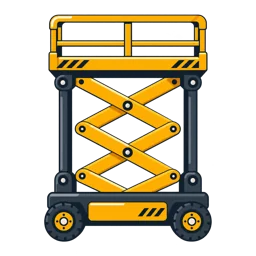
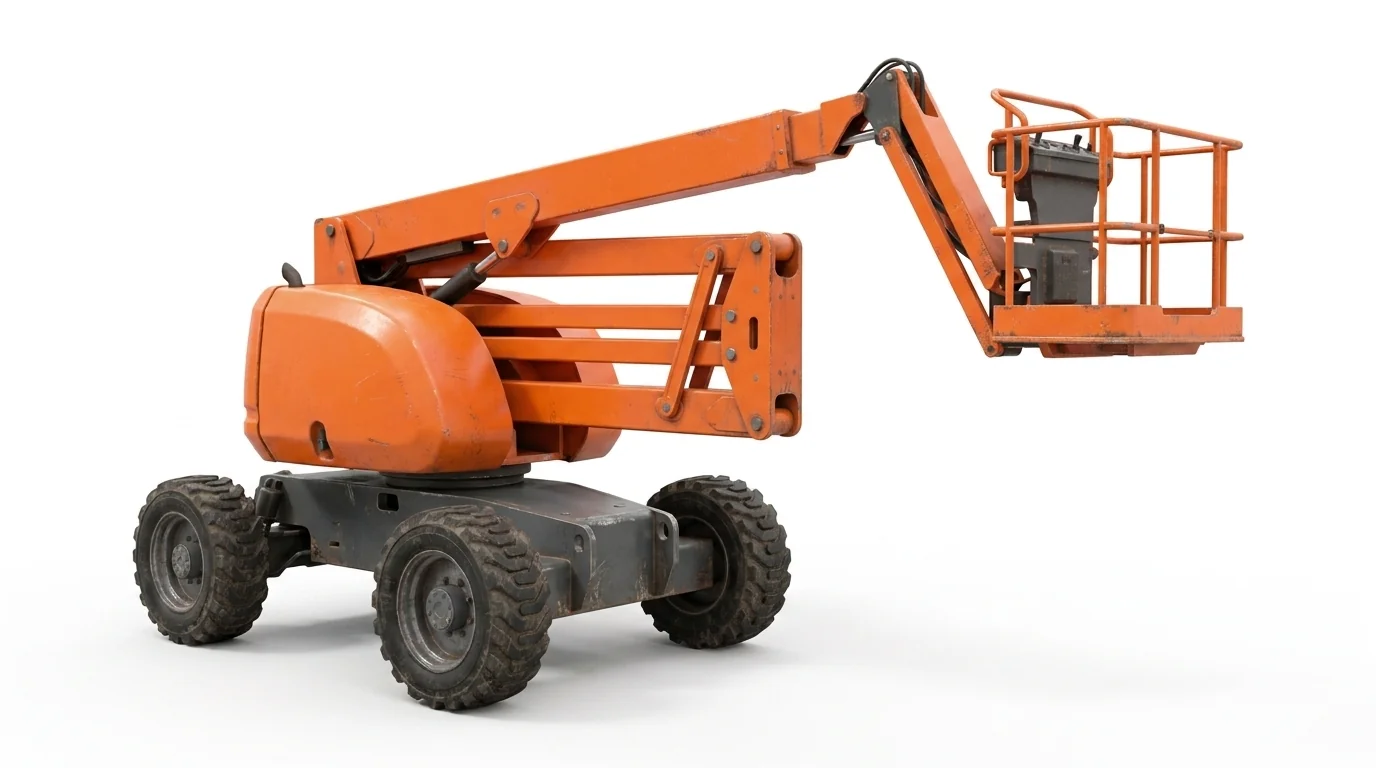
Scissor vs. boom: the core decision
- Scissor lifts: Best when the platform can park under the work with a clear vertical path. Larger decks support tools and panels. Compare indoor slab options at /electric-scissor-lift-rental/ and outdoor rough-terrain units at /rough-terrain-scissor-lift-rental/.
- Articulating and telescopic booms: Chosen when obstacles block a vertical approach or when horizontal reach is required. See /boom-lift-rental/ for details.
Tulsa site patterns that change the choice
- Large indoor spaces and hangar-style bays favor electric slab scissors for low emissions and tight maneuvering.
- Expanding industrial sites and logistics yards present unfinished surfaces where rough-terrain scissors or booms handle ruts and grades better.
- Seasonal humidity and wind shape exposure limits outside; actual use follows the selected unit’s instructions and site procedures.
Articulating vs. telescopic booms
- Articulating: Multiple joints for up-and-over routing around ducts, canopies, and equipment.
- Telescopic: Straight, long outreach to high or distant service points along building faces or yard lighting. Internal links: /boom-lift-rental/, /aerial-lift-rental/ (current), and category paths for scissor selections above.
Dimensions, weight, and access
Door heights, thresholds, and slab ratings inside; gates, trailers, and turning radii outside. Fold-down rails on some scissors and compact chassis on certain booms can be decisive when moving between bays or through fenced work zones.
Nearby work areas
Work commonly spans Tulsa and surrounding communities. Expect changes in soil prep and staging rules as projects move from interior fit-out to exterior punch lists.