Start with the load and the run
- Identify the peak power draw and whether it’s continuous or cyclical. Spikes from welders or compressors influence generator sizing and outlet configuration.
- Measure the length of cable runs from the unit to the farthest load. Long runs in big hangars or logistics bays increase voltage drop considerations and the need for heavier cabling and proper distribution spacing.
Site access and placement in Tulsa conditions
- Clay-prone ground softens after rainfall. Plan for firm, level placement on compacted surface or slab, especially around outdoor aprons or construction staging. A slight rut can change unit level, exhaust direction, or tower mast stability.
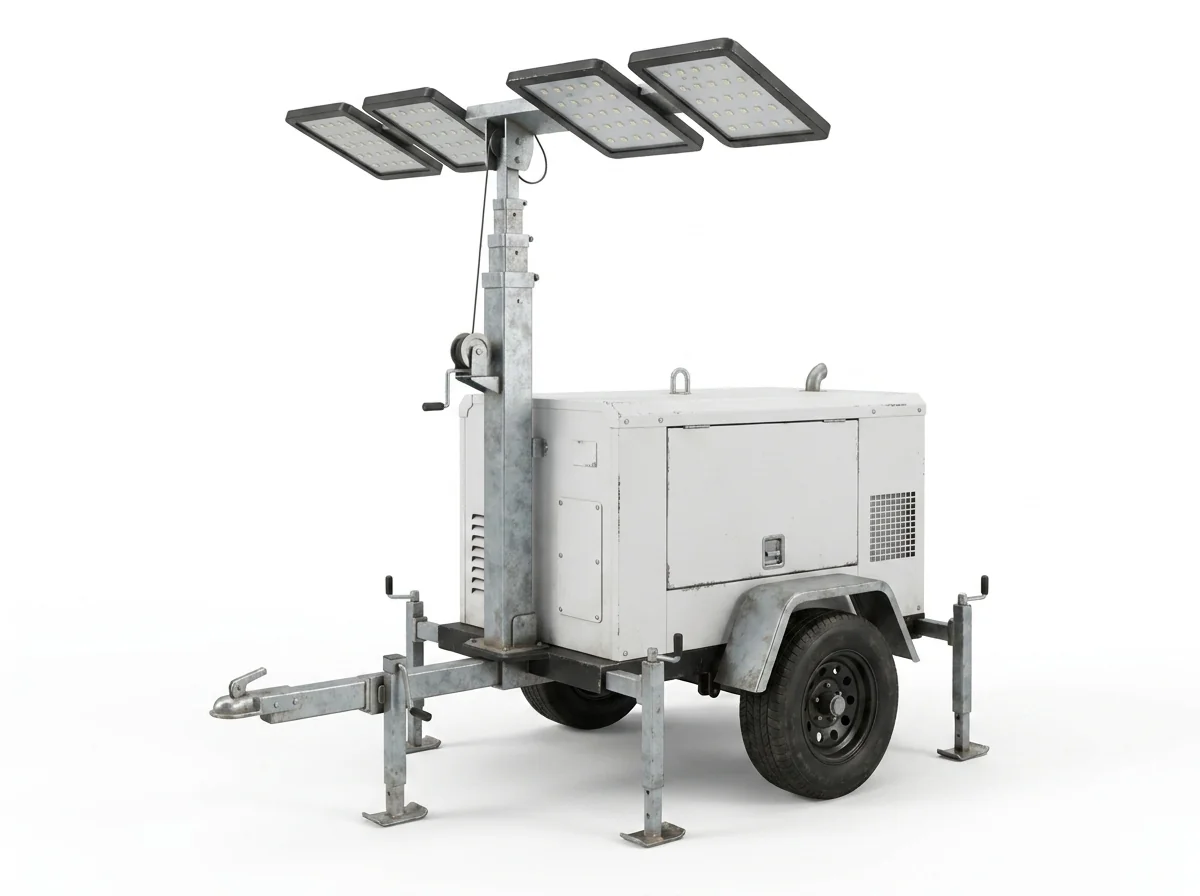
- Wind exposure is higher in open industrial yards and airfield-adjacent spaces. Choose light towers with mast stability suitable for open fetch areas and plan layout to reduce shadows across wide, high-bay doors.
Runtime, refuel, and noise envelope
- Define runtime windows around shift changes and night work. Hot, muggy evenings increase cooling load on enclosed generators; colder mornings may affect warm-up time.
- Map refuel access paths separate from lift and truck traffic. In tight Tulsa infill jobs, a short, predictable fuel lane reduces conflicts with forklift movements.
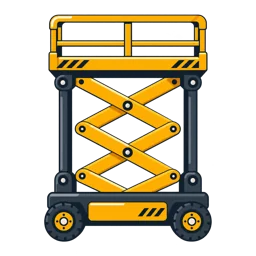
- Consider proximity to indoor tasks in large facilities. Noise and exhaust routing matter near maintenance stands and electric scissor lift work.
Light coverage versus obstacle shadows
- In hangar-scale interiors, tall doors, stacked parts, and suspended utilities cast long shadows. A few high-output towers may outperform many small heads if placed to clear overhead obstacles.
- For outdoor builds on uneven clay, aim masts to minimize glare toward traffic lanes and coordinate with boom lift work envelopes to avoid blinding operators.
Integration with access equipment
- Night work around rough-terrain scissor lifts or telehandlers needs broad, even light so operators can judge ground changes after rain.
- Plan cord and cable routing to preserve the travel paths of articulating booms under piping and mezzanines.
Actual conditions, the selected unit’s instructions, and site procedures govern night or exterior operations.