Start with site access and working height
Confirm the platform can sit below the task with a straight shot up. Measure the work height, then check approach lanes, gate widths, and any slope. If the work sits behind obstacles or requires outreach, compare booms at /boom-lift-rental/.
Tulsa ground and weather realities
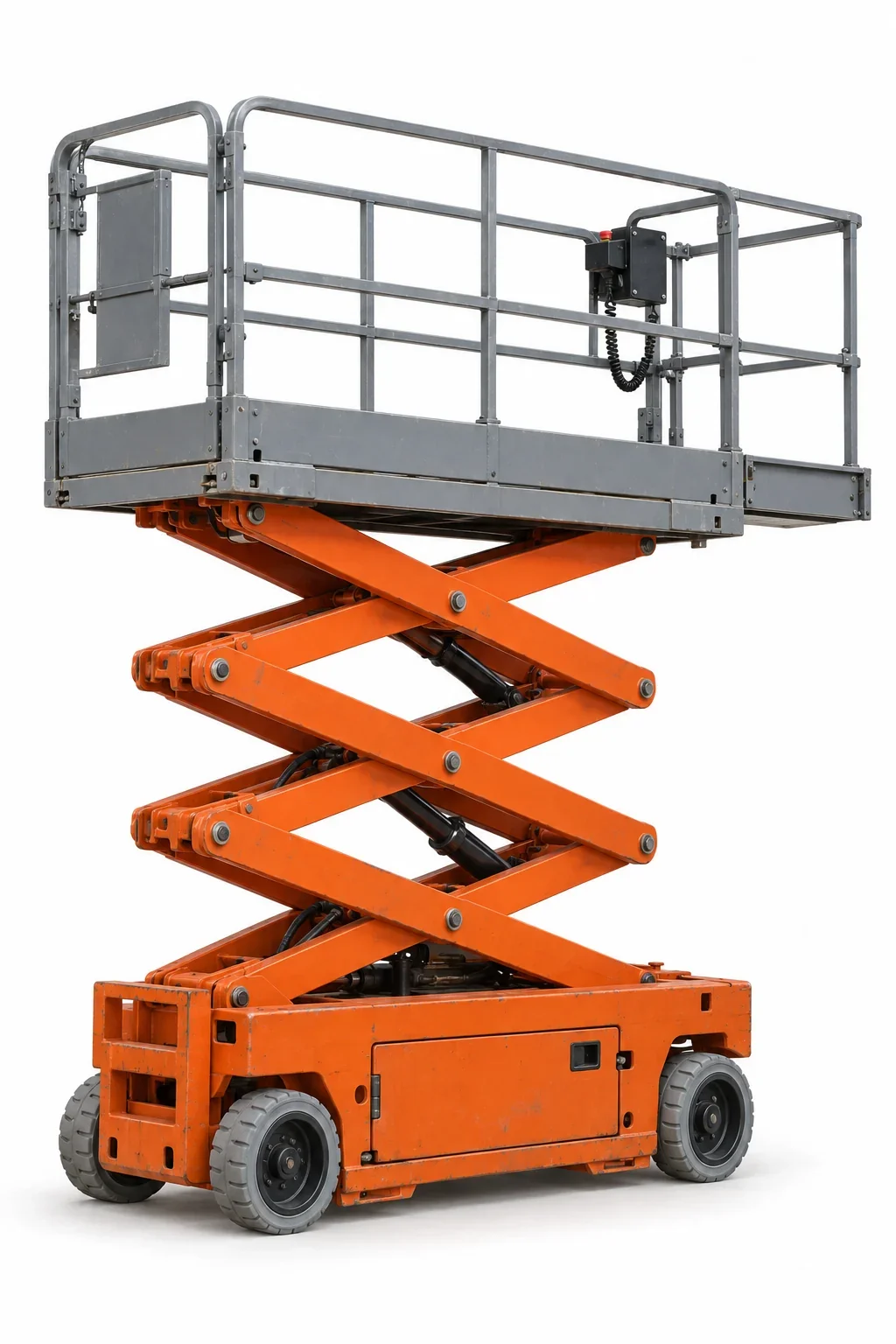
Local clay soils can pump water and rut under traffic after rain, then harden later. That swing changes traction and leveling needs. Rough-terrain scissors bring tread, clearance, and wider stance for these surfaces, but actual use depends on the model limits and site procedures.
Deck size and material handling at height
Outdoor work often involves panels, framing, signage, and mechanical components. Larger platforms and extension decks reduce repositioning on uneven ground. Check total rated load for people plus materials staged on the deck.
Transport and footprint
Rough-terrain units are heavier and wider than indoor slab machines. Verify trailer access, staging pads, and turning space near structures, fencing, and storage yards common on expanding industrial sites.
When to switch categories
- Need to reach over canopies, utilities, or equipment yards? See articulating and straight booms at /boom-lift-rental/.
- Moving inside finished spaces after exterior work? Electric slab options at /electric-scissor-lift-rental/ fit non-marking and ventilation requirements.
Seasonal wind and exposure
Open sites around Tulsa experience gusty periods. Maximum platform height, wind ratings, and use in exposed areas are governed by the chosen unit and site policies. Evaluate shielding, orientation, and staging distance accordingly.