When a straight boom makes sense
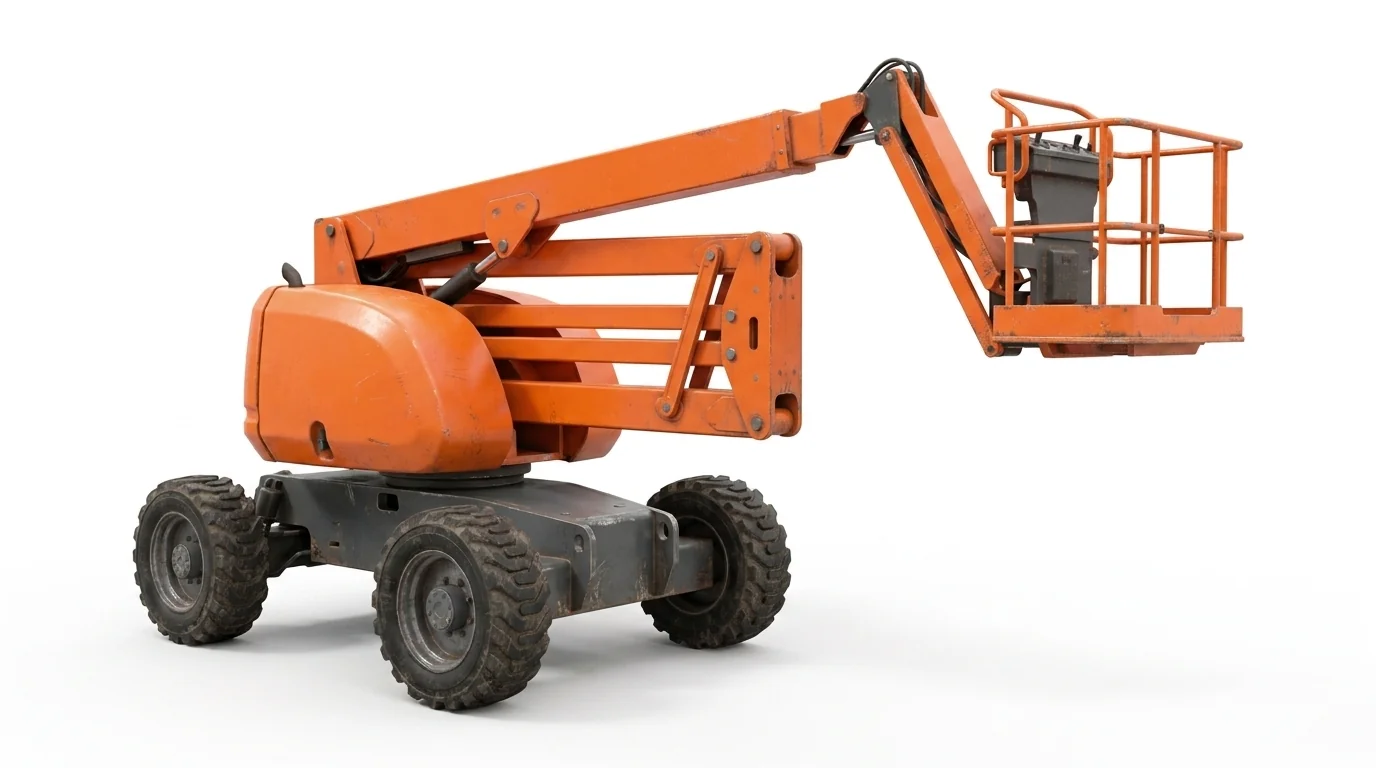
- Can the machine face the task directly without overhead obstructions? Telescopic sections provide long, predictable outreach in a straight line.
- Is the limiting factor horizontal distance rather than up-and-over geometry? If yes, a straight boom typically offers more reach at a given platform height than a knuckle boom.
Tulsa site conditions that matter
- Clay-heavy ground after rain: Job sites around distribution and industrial developments can turn slick and rutted. Rough-terrain straight booms with the appropriate tires are commonly considered for exterior work on unpaved surfaces within the unit’s stated limits.
- Wind on open pads: Large, open areas can funnel gusts. Elevated work must follow the chosen model’s wind ratings and site procedures.
- Long staging corridors: On big-box exteriors and tall warehouse elevations, a straight boom can reduce repositioning when working across wide façades.
Key measurements to narrow the model
- Required platform height to the highest task point.
- Horizontal outreach from the machine’s likely parking spot to the work.
- Basket capacity needs for people and materials.
- Turning radius and transport width for gates and access roads.
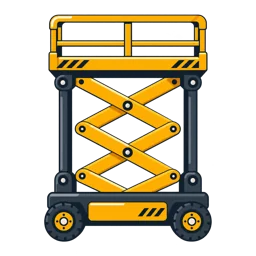
If the path is blocked by piping, overhangs, or recessed features, consider a knuckle boom at /articulating-boom-lift-rental/. For interior slab work with frequent vertical stops, compare with electric scissor platforms at /electric-scissor-lift-rental/.
Common Tulsa applications
- Exterior panel installation, signage, and lighting on tall façades.
- Steel erection and envelope work on new industrial sites.
- Long-reach maintenance on aprons and large paved areas with clear approaches.
Related categories
- All aerial options: /aerial-lift-rental/ and /boom-lift-rental/
- Ground support and staging: /telehandler-rental/ and /storage-containers-rental/