Core decisions for Tulsa forklift work
- Surface type along the entire route: polished slab, expansion joints, dock plates, gravel, or soft clay after rain.
- Aisle and doorway constraints: measure clear width, turning radius, and mast height at travel.
- Load characteristics: weight, dimensions, and stacking height across racking or staging areas.
Indoor warehouse focus
Electric cushion-tire units fit smooth, tight aisles and enclosed loading areas common in local distribution buildings. Consider battery run time, charging access, and non-marking requirements for finished slabs.
Outdoor and mixed routes
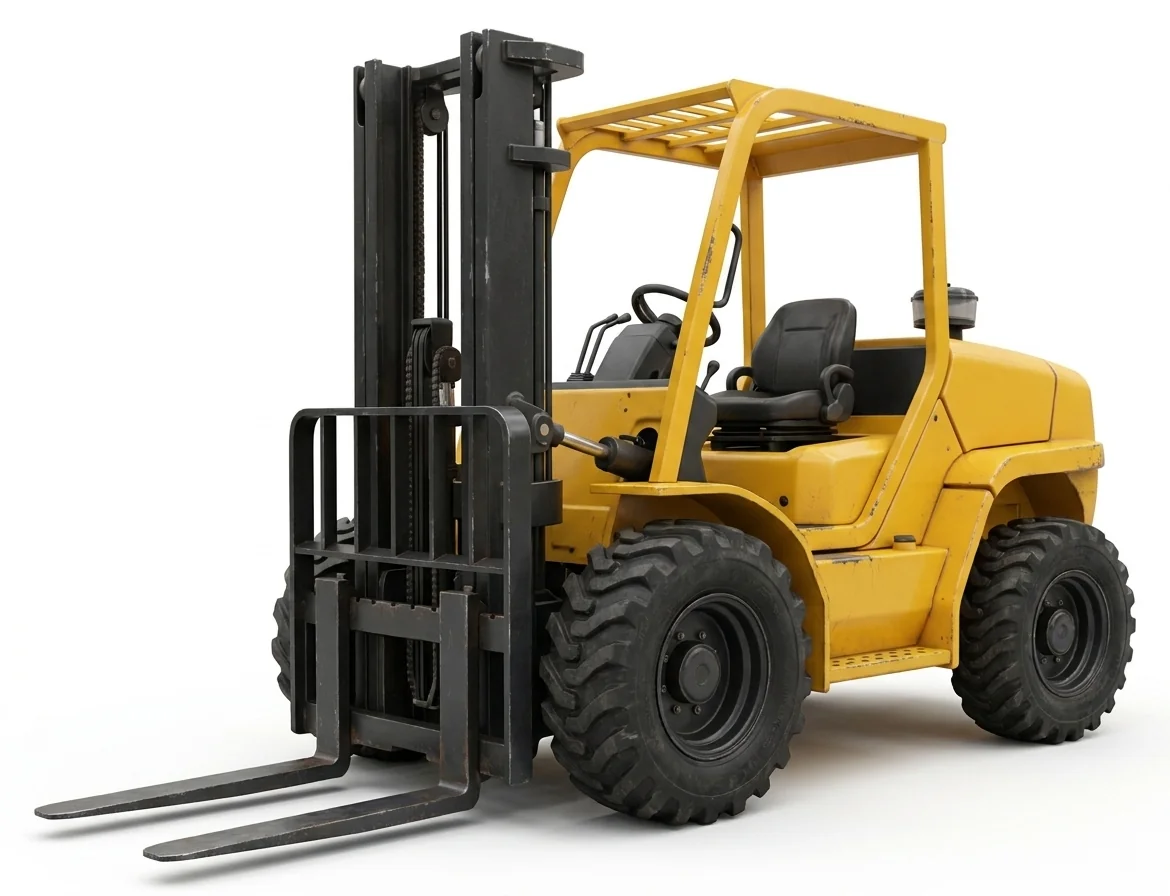
If the path includes uneven yards or soft sections, pneumatic-tire or rough-terrain forklifts are the usual comparison. Tulsa’s clay can rut after wet weather, so ground conditions between the dock and laydown yard often drive the choice.
Capacity and mast planning
- Rated capacity drops as lift height and load center increase; plan for the heaviest pallet at its highest stack point.
- Collapsed mast height and overhead guard must clear door headers and mezzanine structures.
Typical Tulsa applications
- Pallet handling in regional fulfillment centers with tight racking.
- Material shuttles between indoor docks and outdoor staging during large industrial build-outs.
- Receiving and kitting for fabrication shops with mixed-surface yards.
For elevated personnel access, see /vertical-mast-lift-rental/ for tight interiors or /boom-lift-rental/ for exterior reach. For temporary site control and storage, see /temporary-fencing-barricades-rental/ and /storage-containers-rental/.