Define the perimeter and conflict points
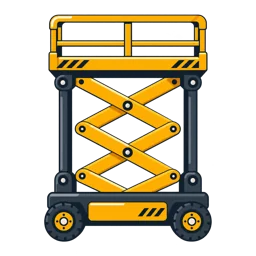
- Map where people, vehicles, and aerial equipment cross. Gate spacing should account for the turning radius of telehandlers and the footprint of rough-terrain scissor lifts.
- In hangar-scale areas, anticipate wide object moves that require straight, unobstructed corridors.
Ground and weather effects in Tulsa
- Clay surfaces can heave or slump when wet or dry. Expect panel lines to shift slightly and plan alignment checks after storms.
- Open industrial fields are more exposed to gusts. Panel weight and support plan should reflect the area’s wind fetch, especially near long, uninterrupted stretches.
Access control and visibility
- Night work needs clear sightlines. Coordinate with light tower layouts to avoid creating shadow pockets behind fencing.
- Where booms or masts operate, keep fence lines offset from swing radii to preserve safe equipment envelopes as required by site procedures.
Routing around active work
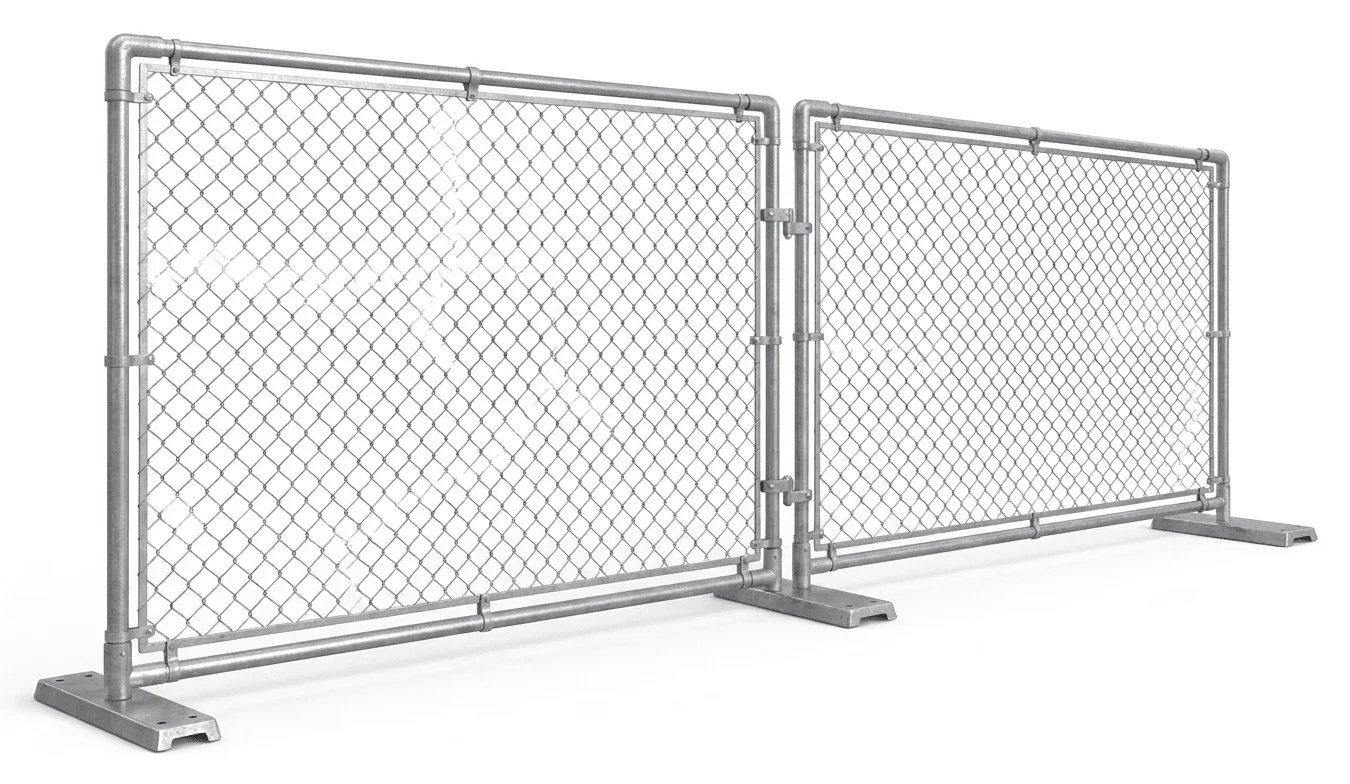
- Use fence geometry that keeps primary material flows straight. Tight switchbacks near gates can trap forklifts and delay staging.
- In constrained infill sites, consider staggered gates for one-way travel lanes to reduce conflict between incoming deliveries and outbound equipment.
Actual conditions, the selected product’s instructions, and site procedures govern exterior work and lane control.