How the job defines the machine
- Where does the machine pick and where does it place? Map the distance and height between those points.
- What is the heaviest expected load and its load center? That determines required capacity through the boom’s range, not just at ground level.
- How tight are corridors, gates, and slab doors? Overall width, turning radius, and boom height at travel matter in busy yards.
Tulsa ground and weather considerations
- Clay soils: After wet spells, sites can rut and undermine stability. Rough, uneven surfaces favor models designed for such conditions within their stated limits. Slab-only interiors point to smaller, more compact units with appropriate tires.
- Wind on elevated placements: Placing loads at height on open façades or roof edges must follow the selected unit’s instructions and site procedures.
Attachments and configurations to compare
- Standard carriage versus side-shift: Influences placement accuracy when setting materials near edges or embeds.
- Frame leveling and stabilizer options: Affect usable envelope on uneven ground within published parameters.
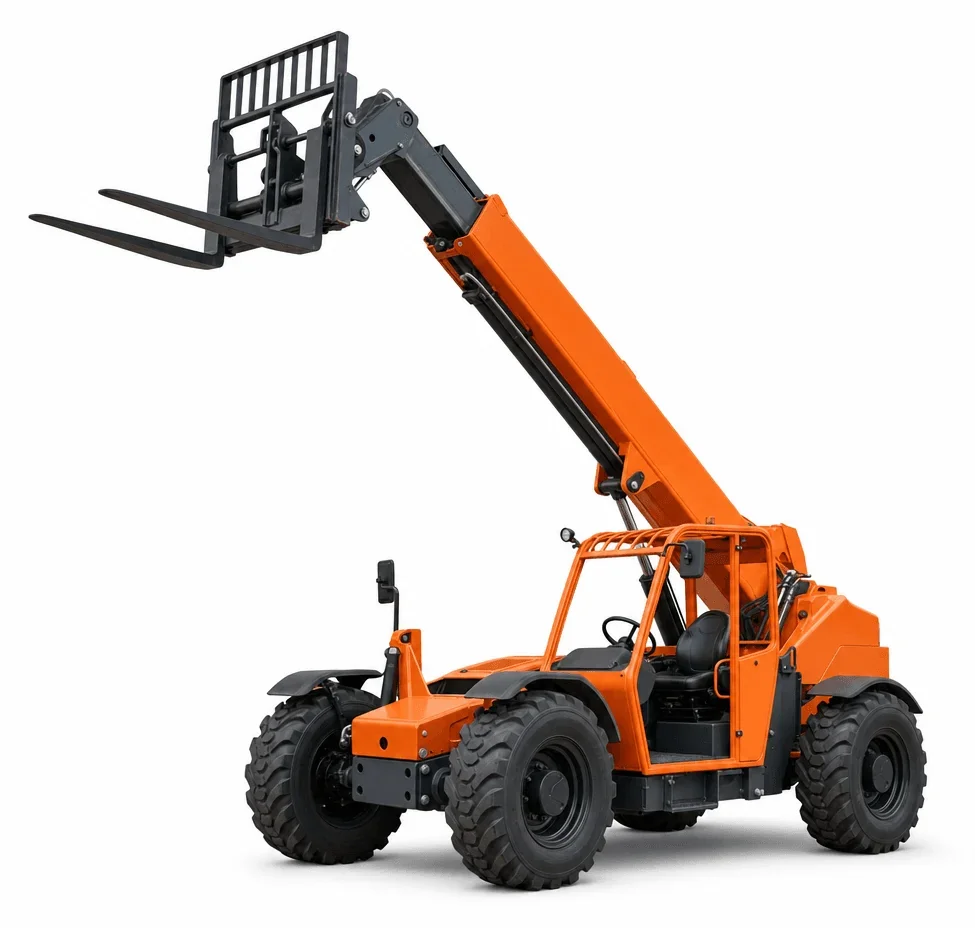
- Compact versus high-reach frames: Choose based on maximum lift height, outreach, and site maneuverability.
Typical Tulsa applications
- Moving mechanical units and bundles from staging to mezzanines in local distribution buildings.
- Feeding exterior cladding crews along wide façades where truck access is limited.
- Supporting steel and formwork activities on expanding industrial sites.
For personnel access to install or finish at height, compare aerial options at /boom-lift-rental/ and /aerial-lift-rental/. For secure onsite storage between deliveries, see /storage-containers-rental/.