Placement surface and approach
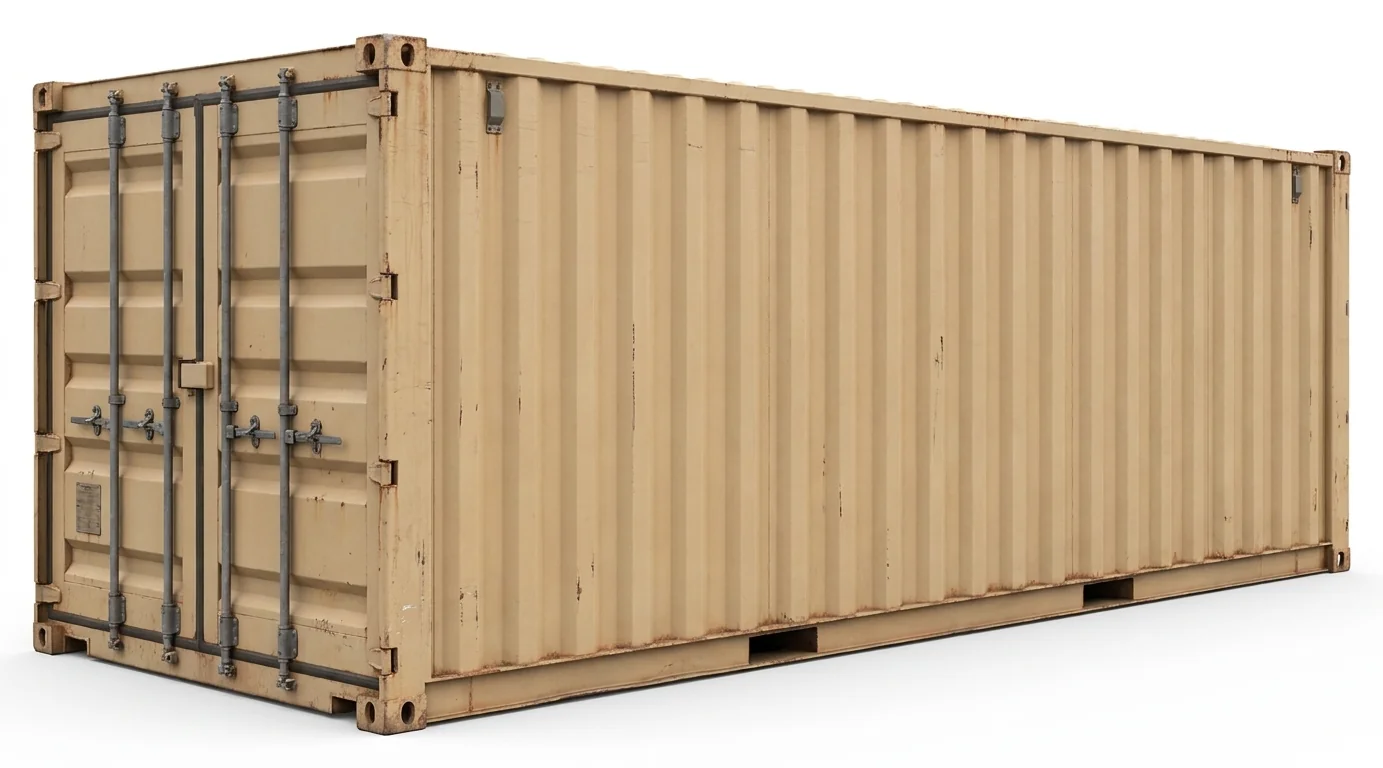
- Identify a level, compacted pad or slab. On clay-heavy ground, soft spots can twist doors out of alignment and complicate access.
- Confirm delivery path width, turning radius, and overhead clearance. In-built curbs and low utilities around infill sites can limit tractor approach.
Door orientation and traffic lanes
- In high-bay interiors and hangar areas, keep door openings clear of lift travel paths and aircraft stands. A few feet of misalignment can block boom swing or scissor lift staging.
- On distribution floors, align doors to face main aisles so forklifts can enter without sharp turns that pinch pallets.
Size, payload, and internal layout
- Match footprint to the staging zone. Long containers maximize volume but may create blind spots near personnel doors or charger stations for electric scissor lifts.
- Racks and rolling bins change center of mass. In winter winds across open yards, consider tie-down planning consistent with site procedures.
Tulsa weather considerations
- Hot, humid summers create heat buildup inside closed steel boxes. Sensitive parts or coatings may need shade placement or timed access.
- During rainy periods, place doors on the leeward side where possible to limit water entry and slippery thresholds.
Integration with access work
- Coordinate container lines with telehandler pick zones so forks can approach straight-on without ruts.
- Keep enough setback from scaffold bases and vertical mast lift lanes to preserve rescue and egress routes.
Actual conditions, the selected unit’s instructions, and site procedures govern exterior or elevated work near stored materials.