Start with the path to the work
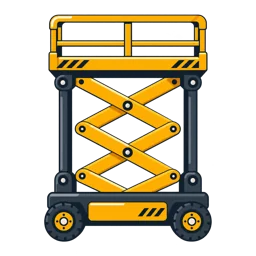
- Clear vertical path? A scissor may be faster; see /aerial-lift-rental/ for comparisons.
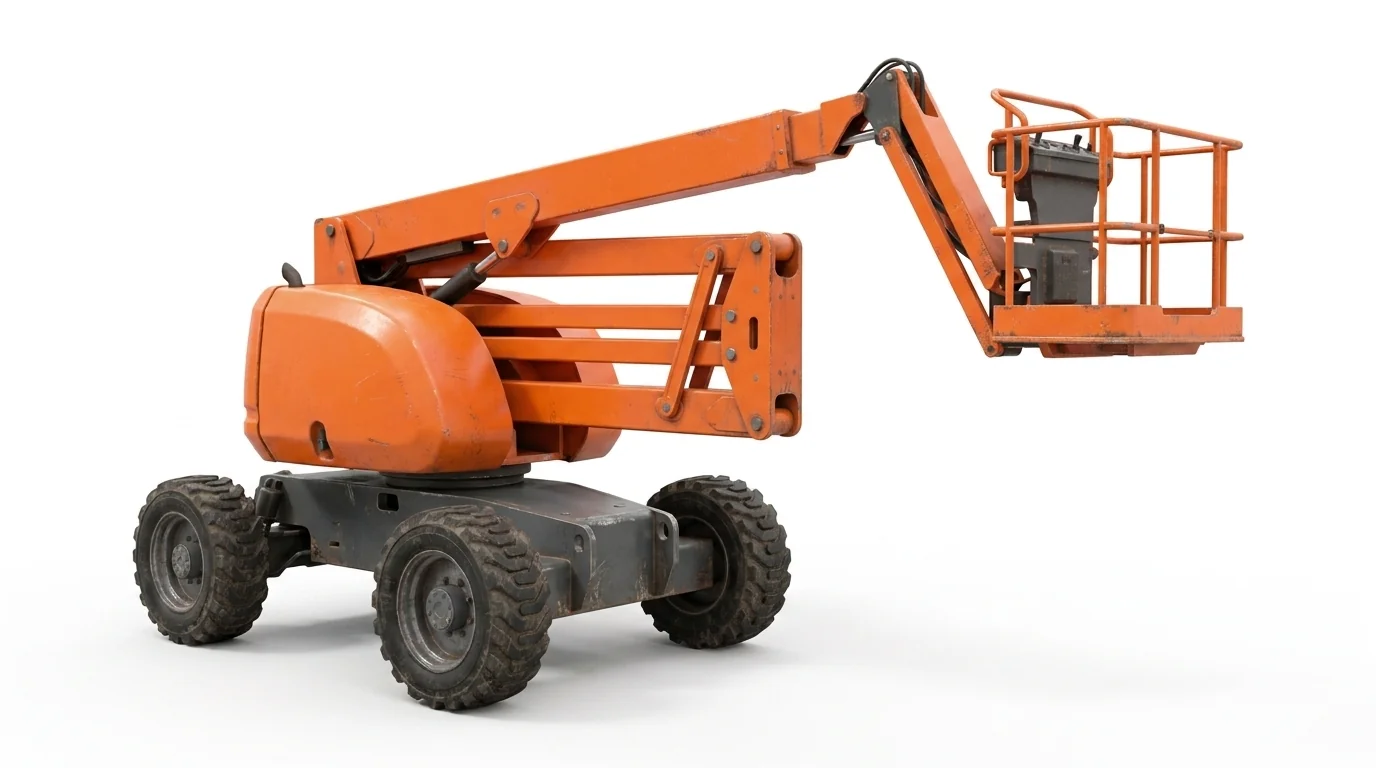
- Blocked by pipes, canopies, or equipment? Articulating booms use jointed arms to snake around obstacles.
- Far away along a facade or yard light run? Telescopic booms extend in a straight line for longer outreach.
Tulsa conditions that change the boom choice
- Indoors or on finished slabs: Emissions and tire marks matter. Compact electric booms can fit certain interiors; confirm door and aisle dimensions.
- Outdoors on clay-prone ground: Tread, clearance, and stance help manage ruts and soft spots. Site suitability and the model’s instructions govern use, especially after rain or in gusty weather.
Articulating vs. telescopic details
- Articulating booms: Best for up-and-over access around conveyors, duct mains, and roof edges. Precise positioning in tight spots.
- Telescopic booms: Favor straight, high reach along building faces, tanks, and lighting rows where setup room exists.
Platform capacity and tooling
Check rated load for people and equipment. Some tasks need platform-mounted power or more floor space for materials; platform size and rotation can reduce repositioning at height.
Dimensions, transport, and staging
Booms are larger than most slab scissors. Confirm trailer access, gate width, and turning space. For interior work, verify stowed height and any counterweight swing near columns, racks, or mezzanines.
When a scissor is the better tool
If the platform can sit directly below the task and deck space matters more than outreach, compare electric slab and rough-terrain scissor options at /electric-scissor-lift-rental/ and /rough-terrain-scissor-lift-rental/.