Match the task to the access path
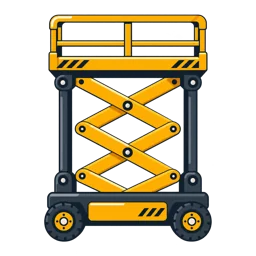
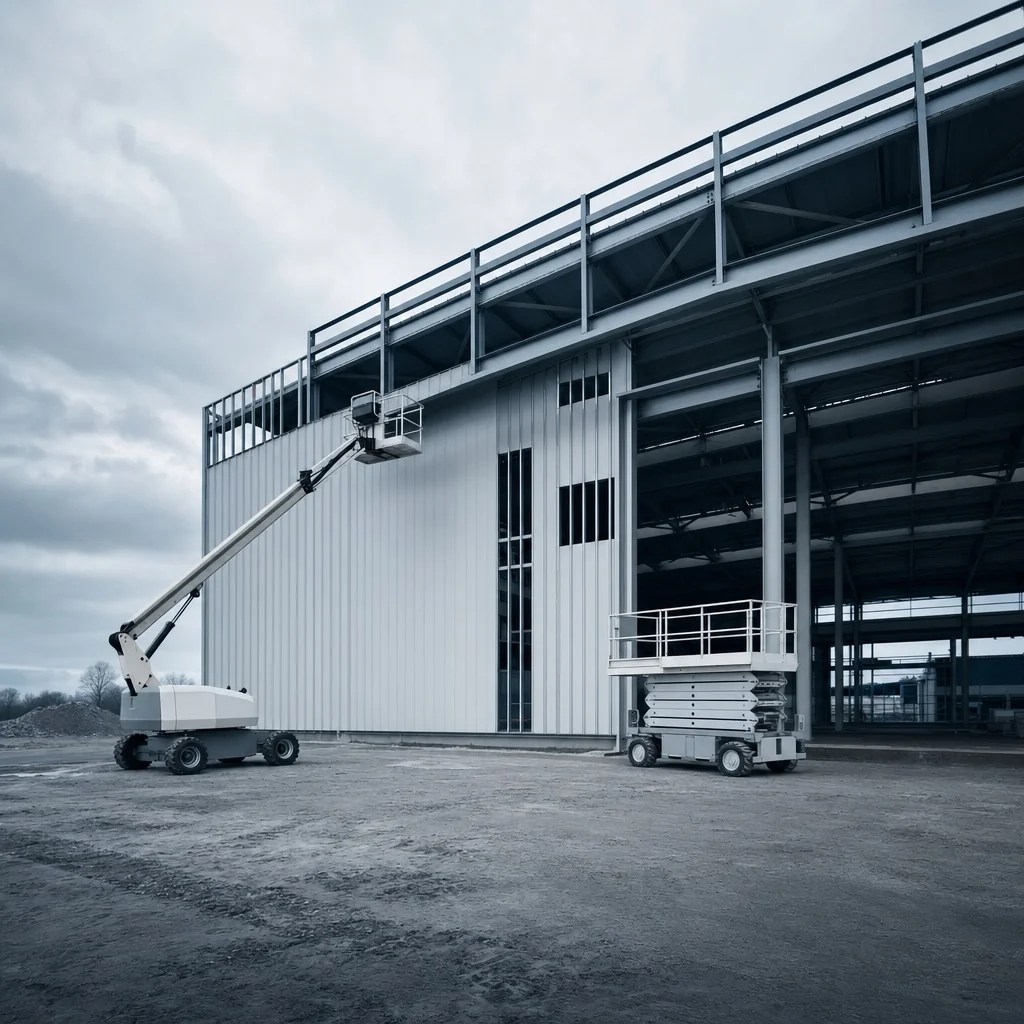
- Vertical work straight up from a slab suits electric scissor lifts in clean interiors.
- Tasks that need up-and-over reach fit articulating booms around ducts, cranes, and mezzanines.
- Long horizontal outreach on open pads points to telescopic booms.
- Palletized or bulky materials call for forklifts indoors and telehandlers outdoors.
Surface and weather in Tulsa
- After rain on clay-heavy soil, outdoor routes favor rough-terrain scissor lifts and telehandlers with ground clearance suited to ruts and soft spots.
- In hot, humid summers, interior work may need quiet, emission-free platforms like electric scissors or vertical mast lifts for tight aisles.
Height, reach, and stability
- Measure the true work height, not just ceiling height. Overhead obstructions in hangar-scale spaces can force repositioning unless a boom clears them cleanly.
- For wide doors and stacked inventory in distribution buildings, choose narrow-chassis units that fit through the tightest pinch point on the route.
Support products that keep work moving
- Night or early-shift work relies on generators and light towers laid out to avoid glare on operators.
- Secure laydown, tools, and parts in storage containers placed on firm pads with doors aligned to main aisles.
- Control edges and active lanes with temporary fencing and barricades that respect turn radii and lift envelopes.
Actual conditions, the selected unit’s instructions, and site procedures govern exterior or elevated operations in the regional climate.